India in the perfume map
Indian perfume traditions: sandalwood, attar, jasmine and agarwood
India is not one olfactory style. Its perfume vocabulary spans creamy sandalwood, flower distillation, attar traditions, jasmine, vetiver and agarwood—materials and methods that must be named with the same care given to their beauty.
By NASMÉ Parfums · Published 30 August 2026 · 8 minute read · Educational guideIndian perfumery is best understood as a group of regional materials and practices, not a single ‘Indian scent’. Santalum album gives perfumery a smooth woody base; Kannauj has a registered perfume geographical indication; and agarwood from Northeast India enters an internationally regulated trade where species and origin documentation matter.
Begin with regions, not a single stereotype
Indian fragrance culture includes many raw materials, climates, languages, ceremonies and production traditions. Sandalwood is closely associated with the south; Kannauj in Uttar Pradesh is officially registered for perfume as a geographical indication; and Aquilaria malaccensis is documented in Northeast India, including Assam and neighbouring states.
A modern fragrance may draw creative inspiration from these traditions without containing materials from those places. Ingredient origin is a supply-chain fact, not a mood. NASMÉ will distinguish clearly between inspiration, an accord and a verified natural material.
Santalum album: softness, tenacity and blend
The Indian Council of Forestry Research and Education identifies Santalum album as Indian sandalwood and describes the fragrant heartwood and oil as important to perfumery. In composition, sandalwood is valued for a smooth woody character, tenacity and the ability to blend with flowers, spices, resins, musks and other woods.
Not every note listed as sandalwood comes from Indian Santalum album. Perfumers may use other sandalwood species, natural fractions, captive materials or a constructed sandalwood accord. A responsible product claim states the actual material only when supplier identity, origin and documentation support it.
Agarwood and oud: one material, many expressions
Oud is the perfumery name commonly used for the fragrant resinous material formed in agarwood trees. CITES documentation identifies Aquilaria malaccensis as an important species in trade and records India among the countries involved in agarwood trade and re-export. International movement of covered material is regulated, so traceability cannot be separated from luxury.
The smell is not fixed by the word ‘Assam’. Distillation method, tree material, source, age, storage and blending can produce very different profiles. Commercial perfumes may also use an oud accord rather than natural agarwood oil. The formula and supplier documents—not storytelling alone—determine which description is accurate.
Kannauj, attar and the importance of precise naming
Intellectual Property India lists Kannauj Perfume as a registered geographical indication for manufactured goods from Uttar Pradesh. That means Kannauj is not a decorative synonym for any perfume inspired by India; geographic wording must correspond to genuine origin and authorization.
Traditional attars are often produced by distilling aromatic materials into an oil base, historically including sandalwood. However, commercial use of the word attar does not by itself prove a particular process, origin, natural-content percentage or alcohol status. Clients should read the product description and ingredient information rather than infer composition from the category name.
Jasmine, vetiver and the brighter side of the palette
India’s perfume vocabulary is not limited to dense woods. Jasmine can bring radiance and creamy floral volume; vetiver can introduce dry, earthy freshness; rose, tuberose, spices and citrus can move the composition toward very different moods.
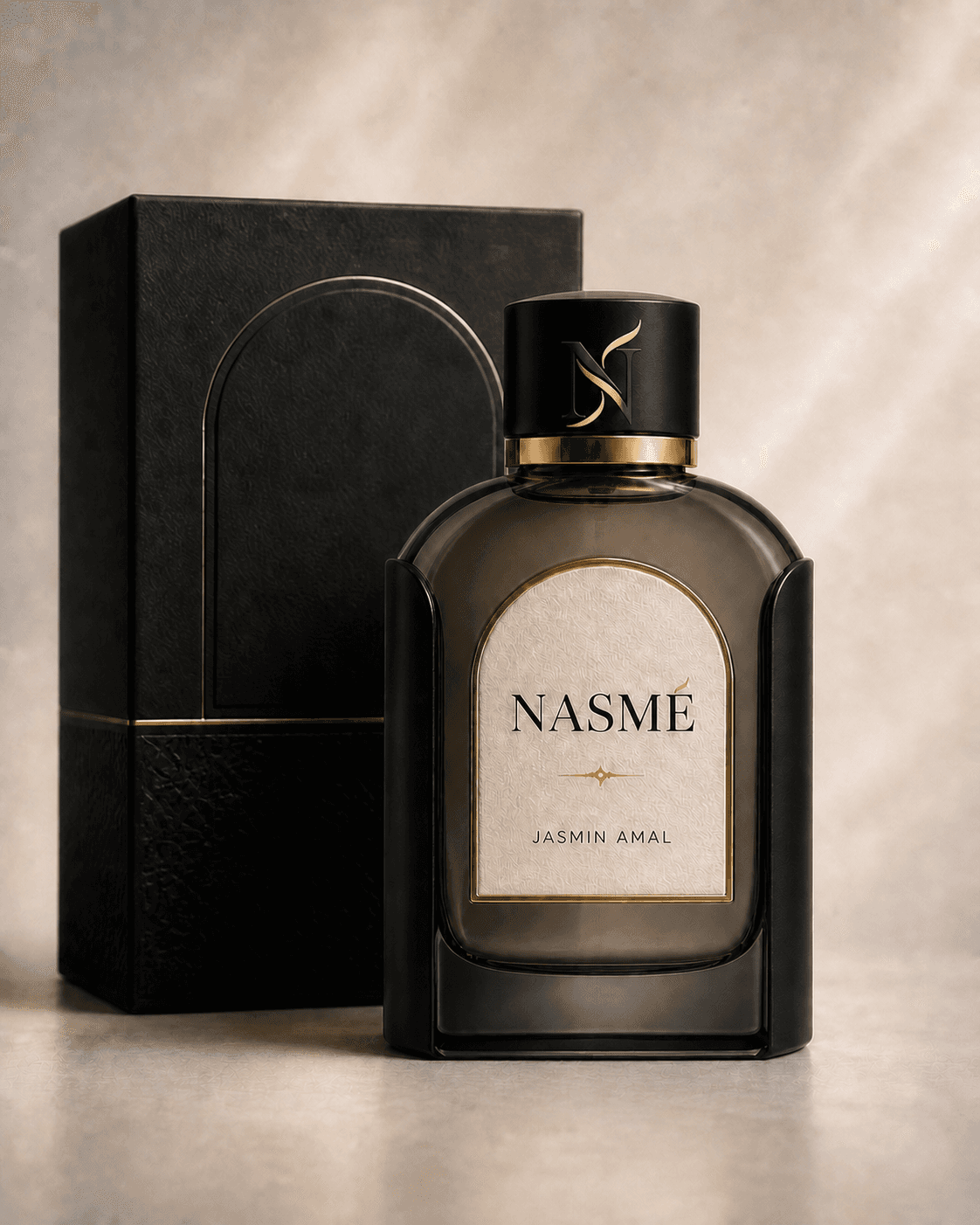
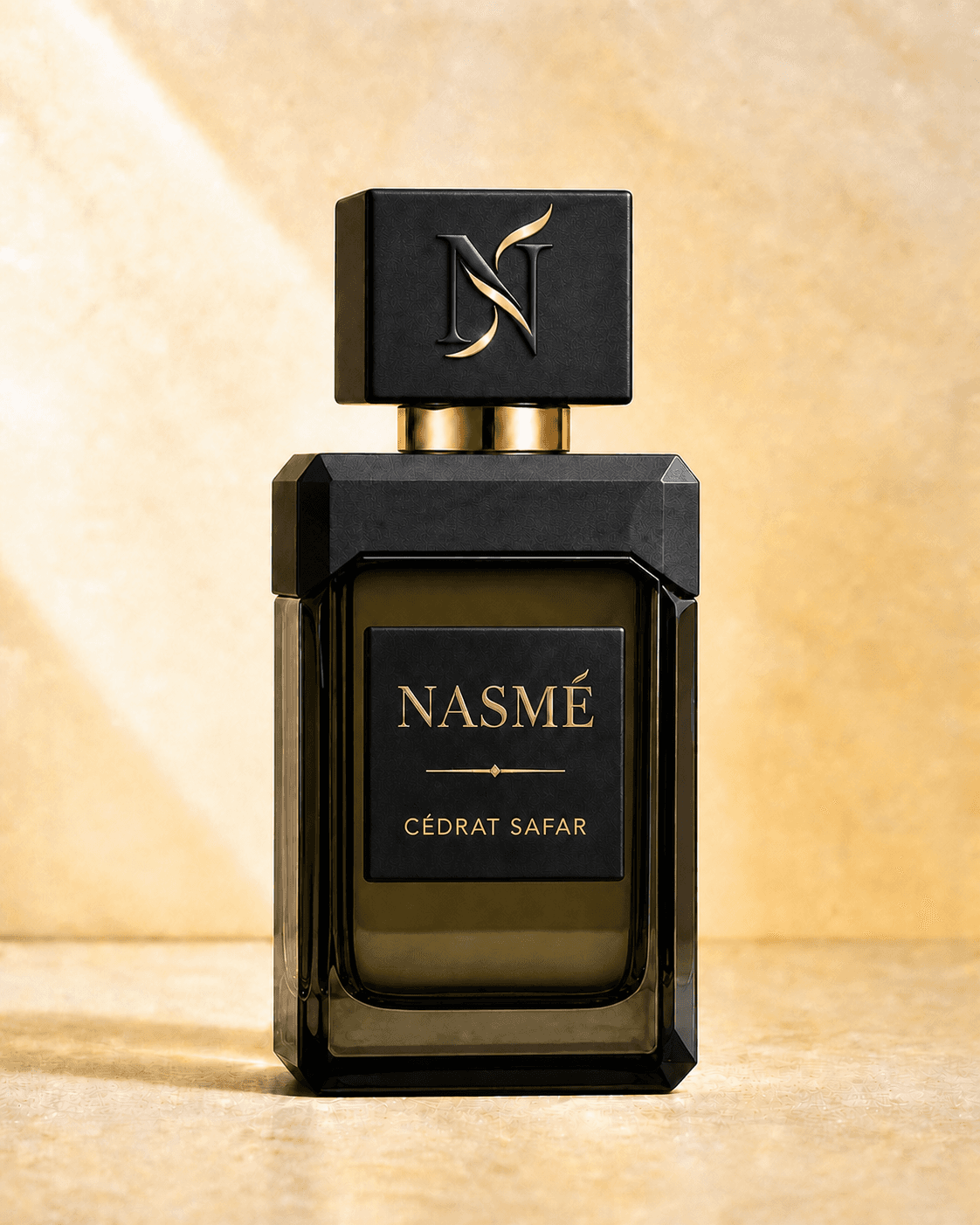
This broader palette is useful for NASMÉ because it avoids reducing Indian inspiration to a single heavy oud. Jasmin Amal, for example, explores jasmine sambac with sandalwood and soft musk, while Cédrat Safar uses ginger, green tea, vetiver and cedar for a brighter woody direction.
The NASMÉ sourcing rule
NASMÉ may describe India as a creative reference point during development. It will not claim Mysore sandalwood, Assam agarwood, Kannauj perfume or any other protected or geographic origin until the exact formula, supplier evidence, traceability and legal right to use that wording are confirmed.
Before commercial release, natural-material claims must be reconciled with supplier certificates, applicable CITES documentation, IFRA restrictions, allergen information, local cosmetic regulations and the finished label. Poetry can introduce a perfume; documentation must support what the bottle says.