Two traditions, one composition
French structure, Arabian depth: how two perfume languages meet
French-Arabic perfumery is most compelling when it becomes a true composition—not a French opening placed on top of an unrelated oud base, but light, texture and depth designed to evolve as one.
By NASMÉ Parfums · Published 30 August 2026 · 7 minute read · Educational guideFrench-Arabic perfumery combines compositional clarity—contrast, proportion and an intentional evolution—with materials and scent rituals associated with Arabian fragrance culture, including oud, saffron, amber effects, rose, musk and incense.
What ‘French structure’ means
Structure is the way a perfume controls attention over time. A bright opening can create lift; a floral, spicy or aromatic heart can reveal the central character; woods, resins, amber effects and musks can shape the lasting trail. The familiar top, heart and base vocabulary is a useful map, although real formulas do not change in three perfectly separated steps.
French perfumery is not one smell. In the NASMÉ vocabulary, it describes discipline: contrast between brightness and shadow, deliberate proportions, and transitions that feel composed rather than accidental.
What ‘Arabian depth’ contributes
Arabian fragrance culture brings a powerful relationship between scent, hospitality, grooming, place and memory. Oud, rose, saffron, incense, amber effects and musk can be worn individually, layered or interpreted inside an alcohol-based fine fragrance.
Depth does not have to mean heaviness. Saffron can feel airy and mineral as well as warm. Rose can brighten woods. Frankincense can be citrus-like and transparent. Musk can soften the edges of a darker accord and bring it closer to skin.
The bridge is contrast
The most interesting bridge between the two languages is often contrast. Bergamot can give a saffron accord an illuminated entrance. Rose can provide volume between spice and wood. Cedar or vetiver can make an amber structure feel drier. A measured vanilla or benzoin note can round leather and incense without turning the composition into dessert.
This is why a note list cannot fully describe quality. Materials, dose, balance and the space between notes determine whether a fragrance feels seamless, harsh, muddy or luminous.
- Light + shadow: bergamot or néroli against oud, leather or incense.
- Petal + spice: rose or jasmine shaped by saffron, cardamom or pepper.
- Texture + trail: musk, sandalwood, amber effects and resins controlling softness and persistence.
- Restraint + presence: enough diffusion to be memorable without losing detail.
How to choose between compositions
Start with the atmosphere you want rather than a long shopping list of notes. If you want radiance, look for citrus, orange blossom, néroli or bright spice around the darker materials. If you want intimacy, look toward iris, soft musk and sandalwood. For a more nocturnal presence, explore incense, leather, labdanum and darker woods.
Then test the transition. A convincing composition should make sense after the dramatic opening has passed. The dry-down should feel like the same story told more quietly, not an unrelated base appearing several hours later.
The NASMÉ house interpretation
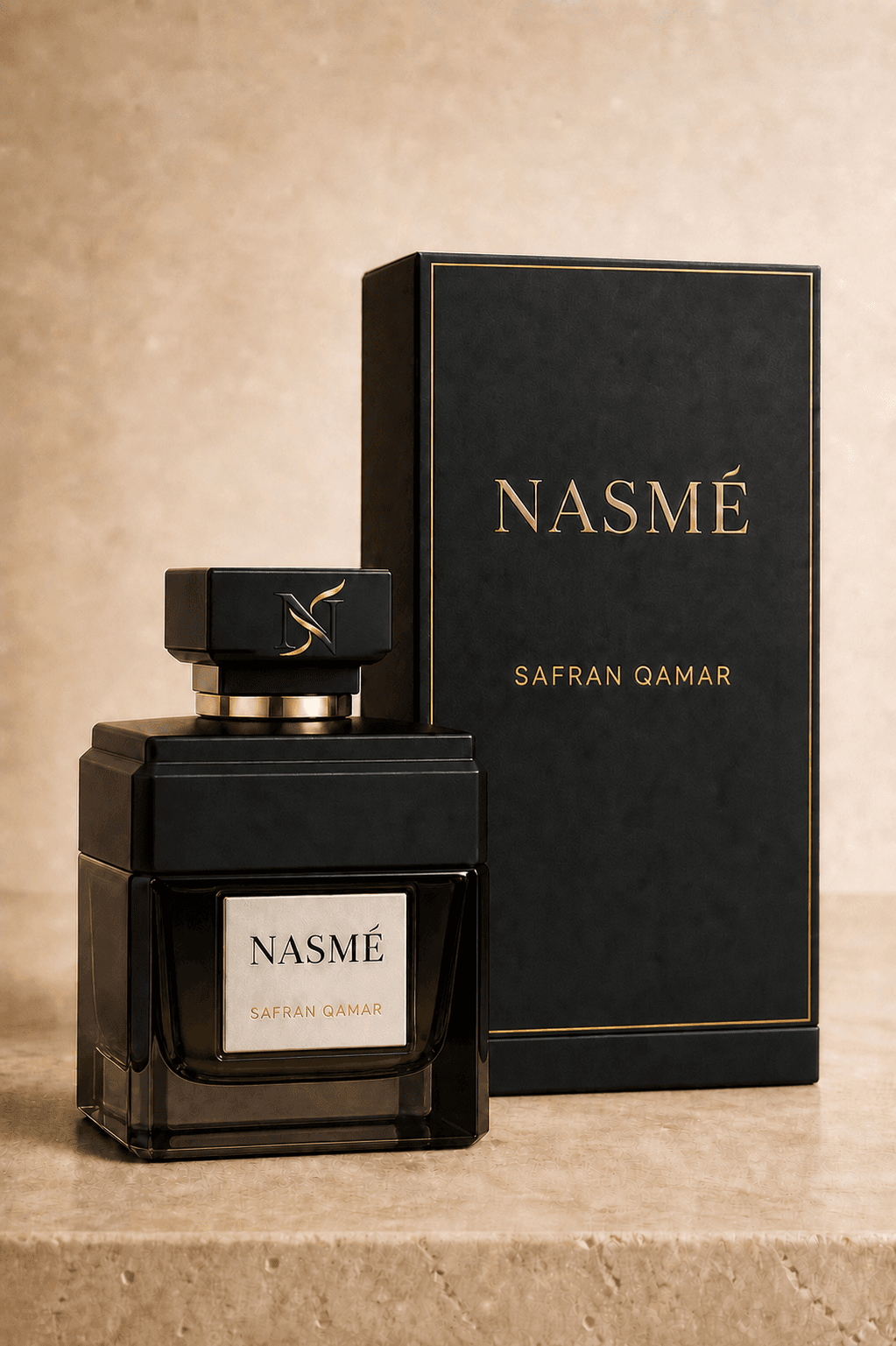
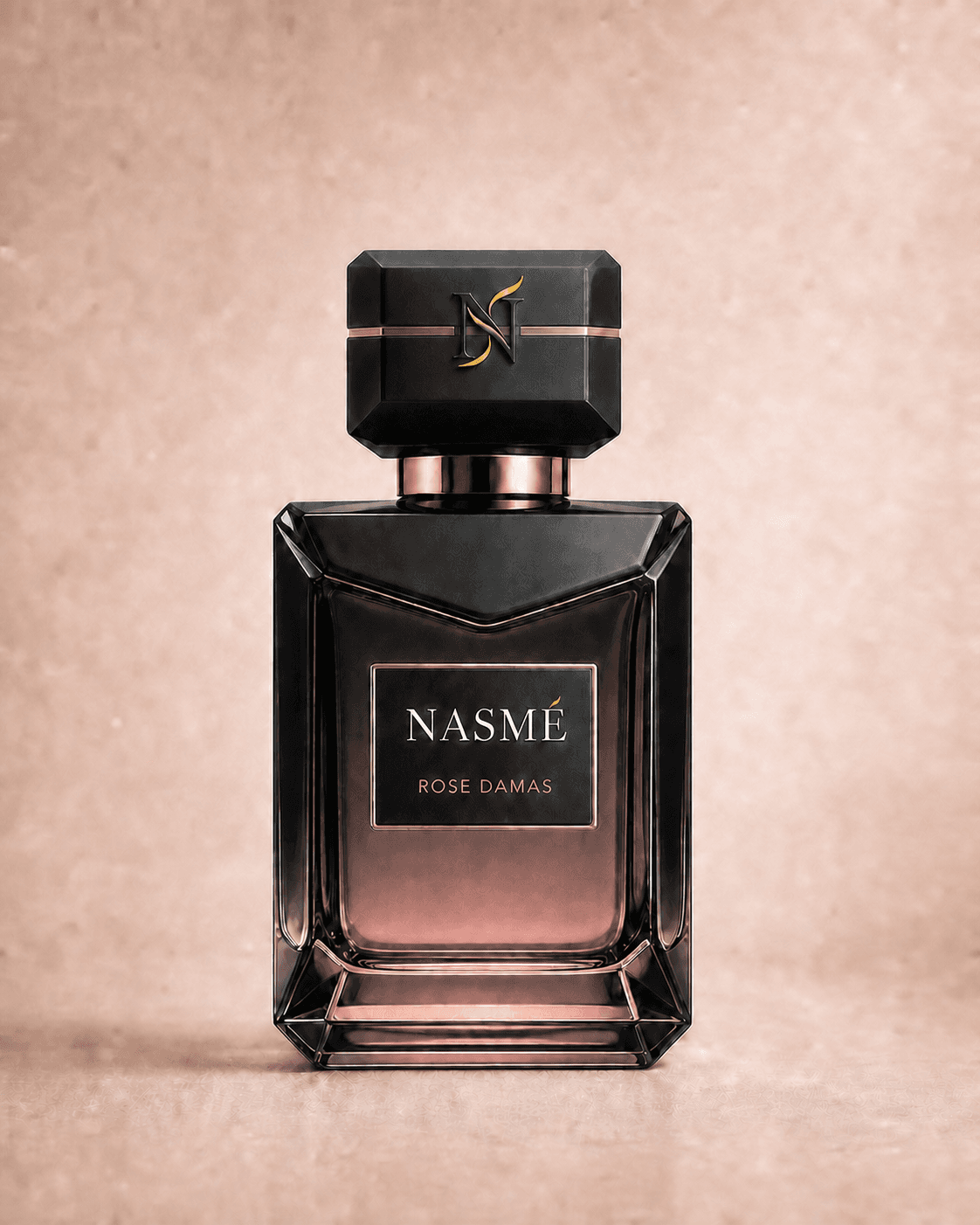
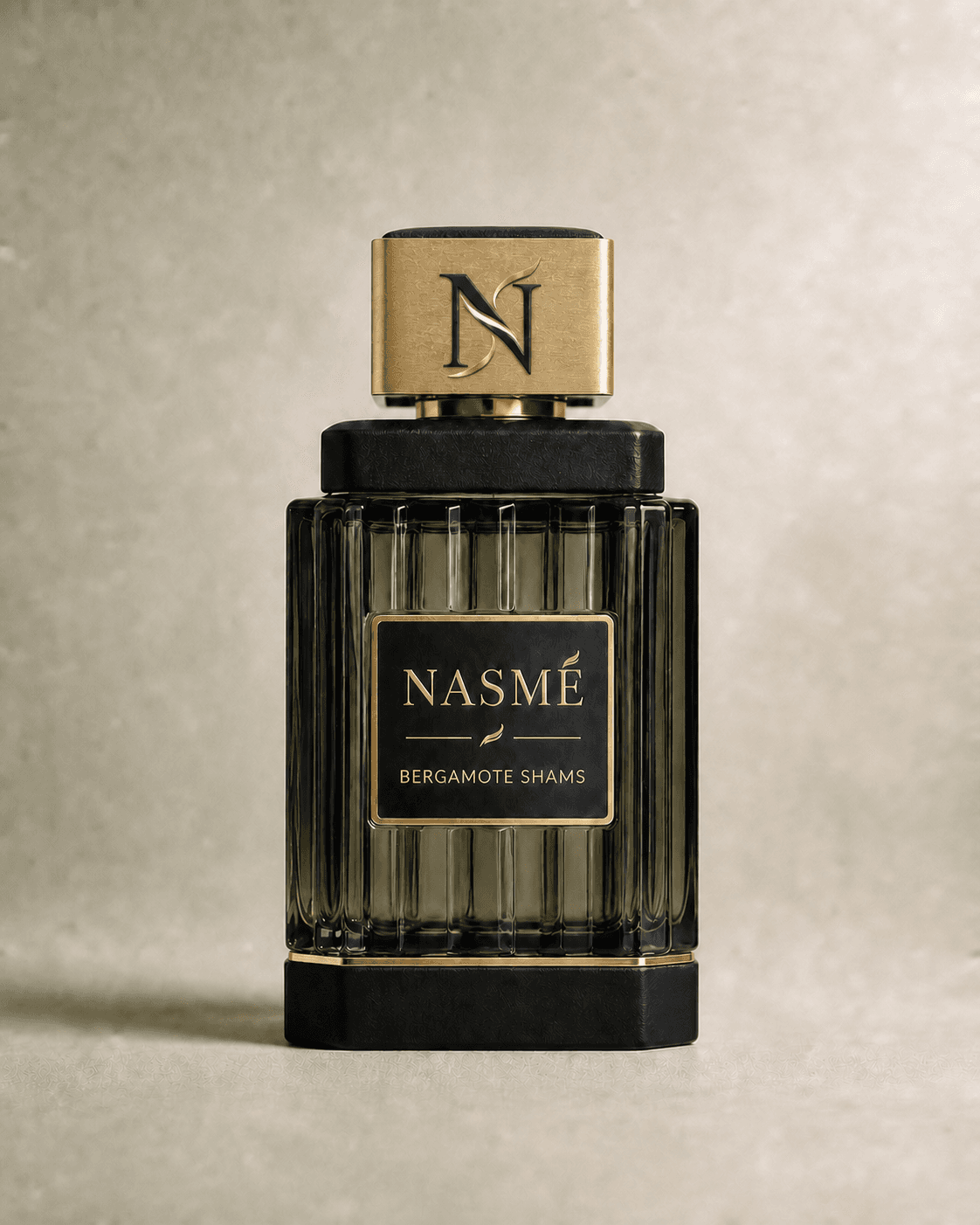
NASMÉ describes its direction as French structure and Arabian sensuality. The first collection studies that meeting through different levels of light and depth: Safran Qamar is spiced and ambered; Oud Layl is smoky and nocturnal; Rose Damas is floral and modern; Bergamote Shams pairs citrus with tea, cardamom and cedar.
The regional language describes creative inspiration, not a confirmed claim about ingredient origin or manufacture. Those details will be disclosed only after formulas, suppliers and production agreements are final.