The GCC scent wardrobe
Perfume for the GCC climate: a wardrobe for heat and air conditioning
Daily life across the Gulf often moves between warm outdoor conditions and strongly cooled interiors. The most useful fragrance is not automatically the freshest or the heaviest—it is the one whose presence remains appropriate through every transition.
By NASMÉ Parfums · Published 30 August 2026 · 7 minute read · Educational guideFor GCC conditions, choose perfume by setting and transition: controlled projection for close indoor spaces, enough structure to remain recognisable through the day, and richer depth only when the occasion and application support it. Test the same dose through your real routine before judging performance.
Think in transitions, not a single temperature
A normal Gulf day may include a warm walk, a cooled car, an office, a mall, a restaurant and another period outdoors. Airflow, temperature, humidity, movement and application amount can alter how loudly a perfume is perceived. A fragrance that feels restrained outside may become more noticeable in a still, enclosed room.
That makes the complete routine a better test than a rule such as ‘fresh for summer’ or ‘oud for the Gulf’. Both bright and dark perfumes can work; the decisive questions are dose, balance, setting and how the dry-down behaves when the surroundings change.
Build three roles into the wardrobe
A practical fragrance wardrobe does not require dozens of bottles. Three clear roles cover most situations: a close-contact daytime scent, a versatile signature and an evening composition with greater depth. The roles can share favourite materials while changing their level of diffusion and weight.
For daytime, citrus, tea, aromatic notes, soft woods and clean musk can create clarity without disappearing into a purely fleeting opening. A versatile signature may add rose, saffron, sandalwood or amber effects in measured proportions. Evening wear can support denser incense, leather, resin or oud effects when the environment allows more presence.
- Close-contact day: polished, controlled and comfortable at conversational distance.
- Versatile signature: recognisable from opening to dry-down without dominating the room.
- Evening depth: richer texture and trail, adjusted to the venue rather than sprayed by habit.
Separate longevity from volume
A perfume can remain on skin for hours while projecting only a short distance. Another can radiate strongly at first and become quiet much sooner. In offices, lifts, lounges and restaurants, controlled projection may be more luxurious and considerate than maximum volume.
Choose the radius first, then assess duration. If the fragrance needs to remain noticeable through a long day, a small planned reapplication may give better control than beginning with an excessive dose. Never assume that an exact number of hours observed by one wearer will apply to everyone.
Run a Gulf-routine wear test
Use a consistent number of sprays and record when and where you test. Check the scent after the opening, after time in air conditioning, after outdoor movement and during the later dry-down. Repeat on another day before deciding whether the formula is genuinely versatile.
Ask another person for feedback before reapplying because repeated exposure can reduce self-awareness of the scent. If you test fabric, use an inconspicuous area first; oils or colourants can mark delicate clothing. Follow the finished product’s directions and stop use if irritation occurs.
Protect the bottle as carefully as the formula
Keep perfume upright, closed and away from direct sunlight, hot cars and repeated temperature swings. A shaded drawer or stable indoor cabinet is generally more suitable than a bathroom shelf, sunny window or vehicle glove compartment.
Storage preserves the condition of the product; it cannot improve the original formula. Any NASMÉ performance statement will therefore follow formula-specific stability and wear testing rather than a general promise about climate or concentration.
How NASMÉ maps these roles
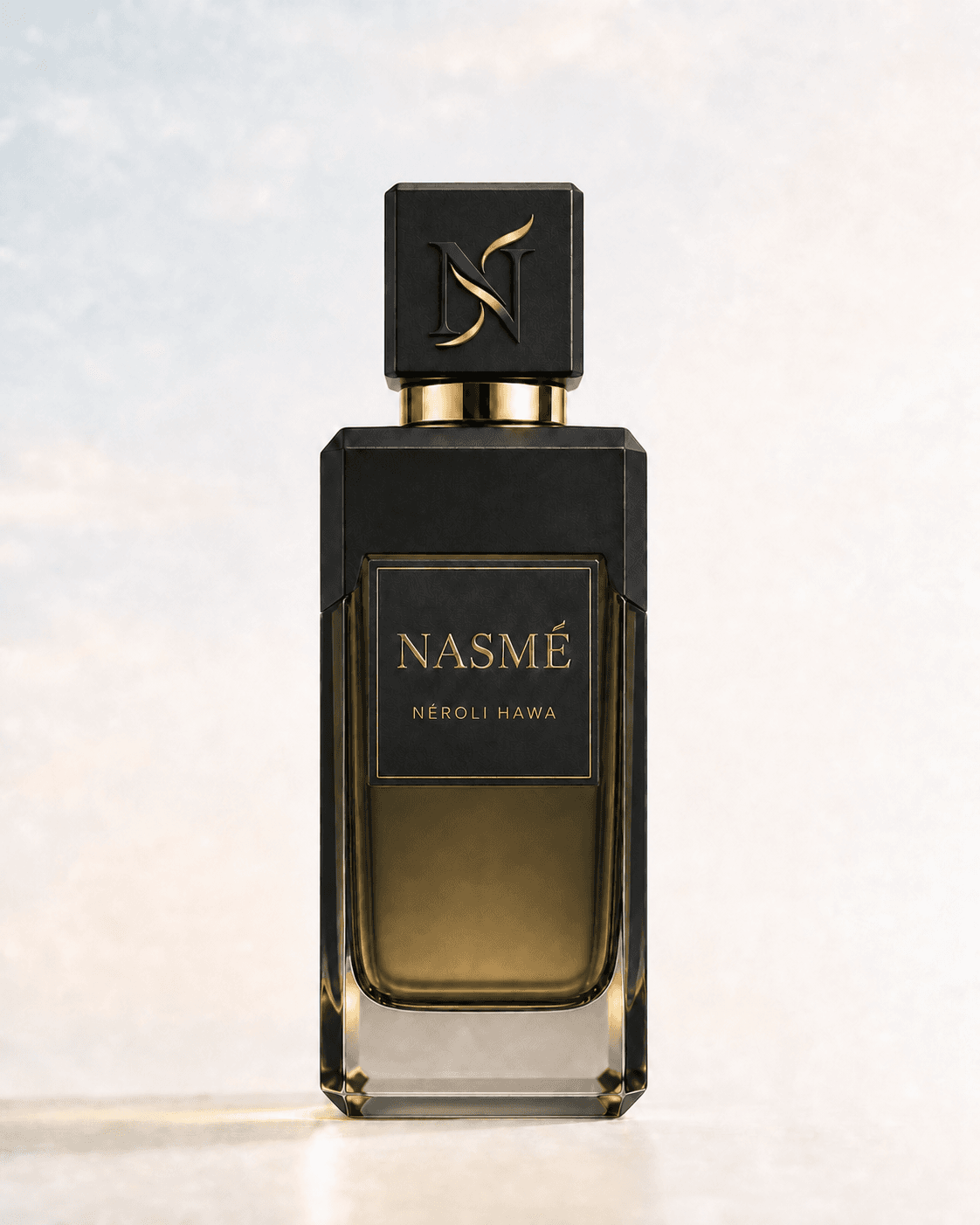
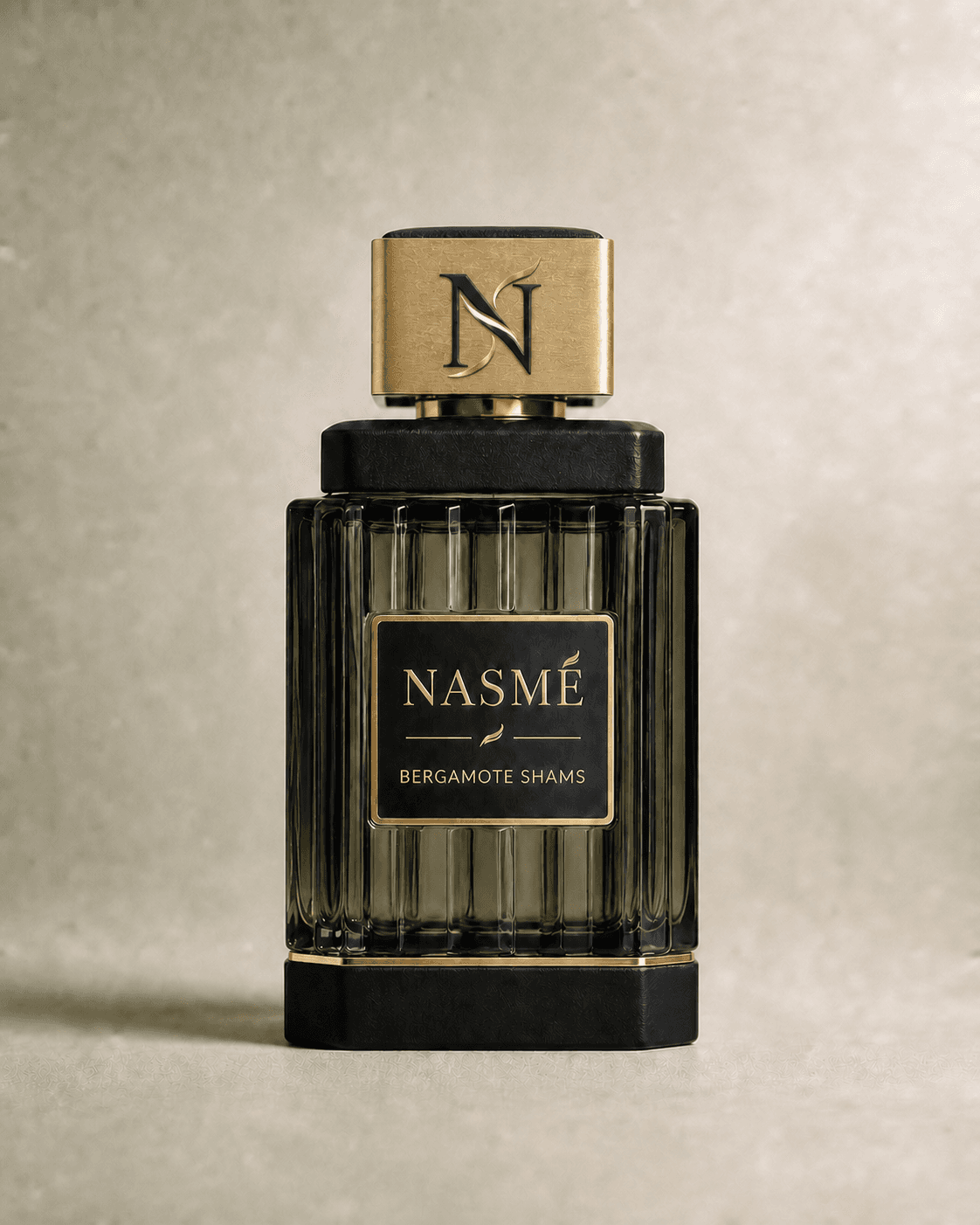
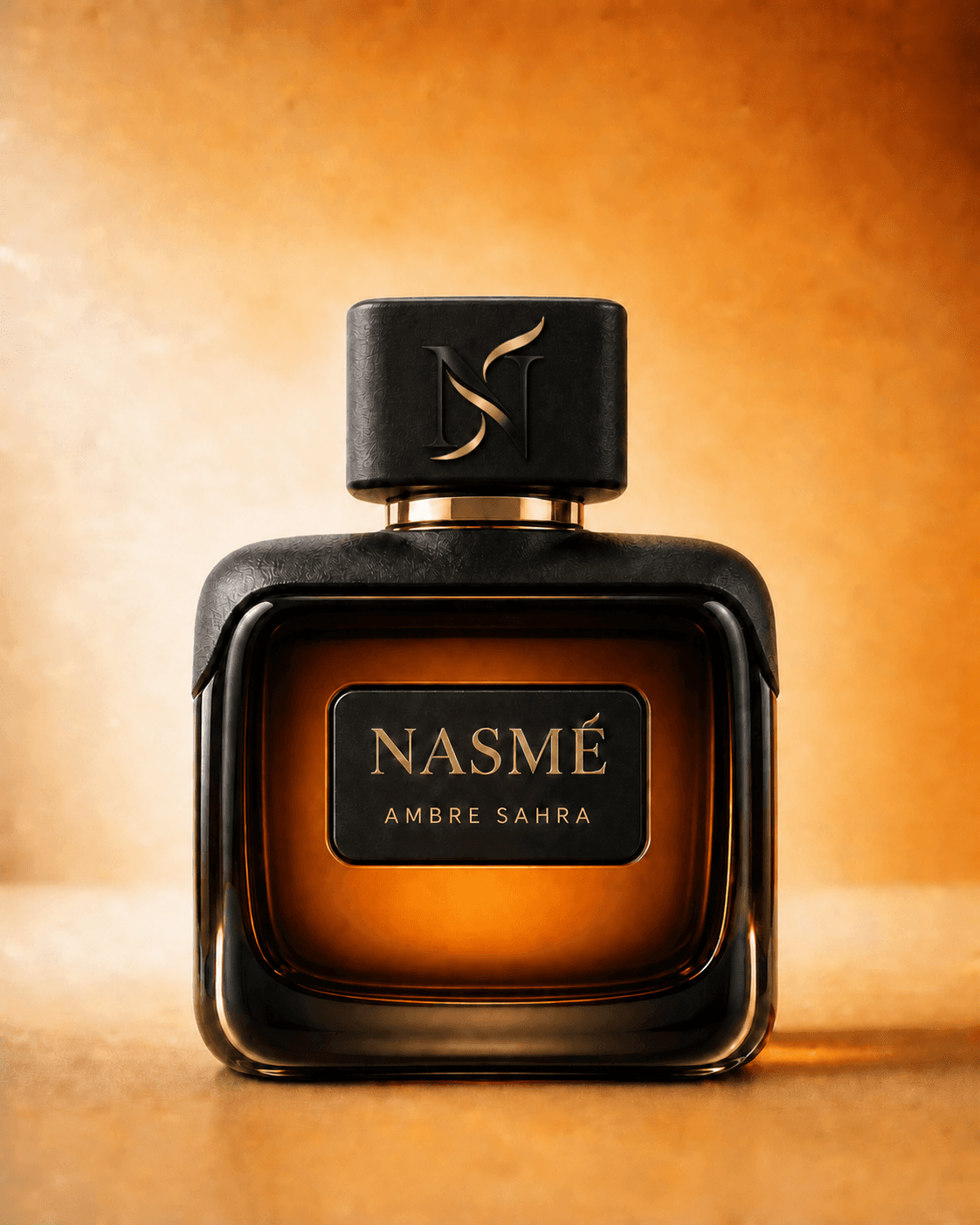
Within the pre-launch collection, Néroli Hawa and Bergamote Shams illustrate brighter daytime structures. Ambre Sahra introduces a warmer resinous direction for someone who wants greater depth without beginning from smoke or leather. The bespoke experience asks occasion, climate, desired longevity and desired projection separately for the same reason.
These directions remain concepts. Final formula, performance, packaging, price and GCC availability require perfumer review, safety assessment, stability and compatibility testing, local regulatory clearance and production readiness.